Skip to content

Table of Contents
For many adults, stubborn fat can be frustrating, especially when diet and exercise alone don’t seem to make a difference. If you’re in Madison, WI, looking for safe, effective body shaping without surgery, understanding the science behind fat reduction can help you make informed choices. At Nuovo Te, we focus on research-backed non-surgical approaches that target fat cells directly while minimizing downtime. Whether you’re curious about how fat cells are destroyed, the latest non-surgical fat reduction methods, or which technology is most suitable for your body, knowing the mechanisms behind these treatments is essential.
What Fat Cells Are and How They Work
Fat cells, or adipocytes, are specialized cells that store energy in the form of fat. They are naturally distributed throughout the body, with higher concentrations in the abdomen, thighs, hips, and under the chin. These cells expand or shrink depending on diet, activity level, and genetics. For many adults, some areas of fat remain resistant to conventional weight loss methods, leading to localized deposits that affect appearance and confidence.
These stubborn fat pockets are the main target of fat cell reduction treatments. While exercise and healthy eating reduce fat cell size, they do not eliminate fat cells. Non-surgical treatments focus on actually reducing the number of fat cells in specific areas, providing more permanent results without invasive surgery. Understanding how fat is stored and why it resists conventional methods helps explain why these technologies can be effective for body contouring.
Principles of Non-Surgical Fat Reduction
The core concept of modern fat reduction is to target fat cells without harming surrounding tissue. These treatments rely on controlled energy applications, cold, heat, sound waves, or radiofrequency, that affect fat cells selectively. Once fat cells are disrupted, they undergo apoptosis, a natural process of cell death. The body then gradually removes these cells through the lymphatic system over several weeks.
Unlike surgical options like liposuction, non-surgical treatments avoid large incisions, anesthesia, or extended recovery periods. This makes them appealing to individuals seeking a safe, minimally invasive alternative to body sculpting. By focusing on the science of how fat cells are destroyed, patients can better understand what to expect in terms of results and timeline.

Main Non-Surgical Fat Reduction Technologies and Their Mechanisms
Several technologies are used in non-surgical fat reduction, each with a distinct mechanism for targeting fat cells. Understanding the science behind each method helps you determine which option may be most effective for your body and goals.
Cryolipolysis (CoolSculpting) uses controlled cooling to freeze fat cells. Fat cells are more sensitive to cold than surrounding tissue, so targeted cooling induces cell death without affecting skin, muscles, or nerves. Over the following weeks, the body naturally processes and eliminates the destroyed cells, gradually reducing the fat layer in the treated area.
Laser Lipolysis (SculpSure) uses heat to break down fat cells. Specific wavelengths of laser energy penetrate the skin, heating and disrupting fat cell membranes. The damaged cells then undergo apoptosis, and the body removes them over time. Laser treatments are effective for small to medium-sized areas and provide mild skin tightening.
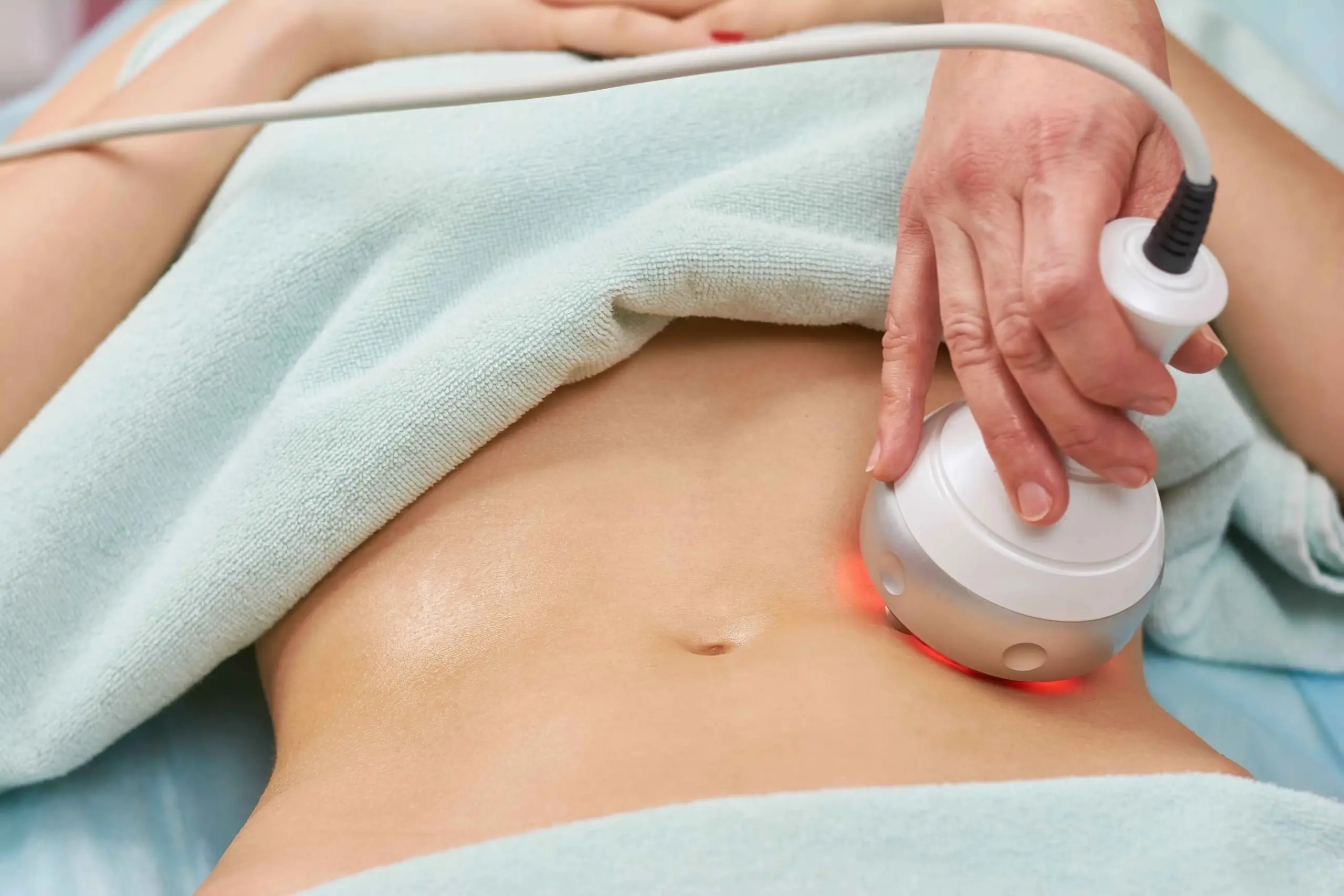
Radiofrequency (RF) Fat Reduction delivers controlled thermal energy to fat tissue. RF energy stimulates fat breakdown while promoting collagen production, which can improve skin firmness. The process gently heats fat cells to destroy them without harming surrounding tissue. Results appear gradually as the body metabolizes the affected cells.
Ultrasound Fat Reduction (UltraShape) uses focused ultrasound waves to target fat cell membranes. Mechanical energy disrupts the integrity of fat cells, which are then removed by the body’s natural systems. Ultrasound is precise and generally well-tolerated, making it a popular choice for areas with concentrated fat deposits.
Each of these technologies operates on a clear scientific principle: they selectively target fat cells, removing them while leaving skin and other tissues intact. The differences lie in the type of energy used, the areas best treated, and the expected timeline for visible results.
What Happens to Fat Cells After Treatment
Once fat cells are destroyed through these methods, the body begins a natural process of clearing them. The lymphatic system gradually transports the cellular debris for elimination, resulting in a noticeable reduction in fat thickness over several weeks. Most patients begin to see changes in the treated areas within four to six weeks, with optimal results typically appearing around two to three months post-treatment.
Because these treatments reduce the actual number of fat cells in targeted areas, results tend to be long-lasting. However, maintaining a healthy lifestyle is essential, as remaining fat cells can still expand if caloric intake exceeds energy expenditure. This emphasizes the value of non-surgical fat reduction as a complement to, not a replacement for, overall wellness habits.
Safety and Effectiveness of Targeted Fat Reduction
Non-surgical fat-reduction treatments target fat cells exclusively, minimizing risk to surrounding tissues. Clinical studies and FDA approvals support the safety and efficacy of these methods. Side effects are typically mild, such as temporary redness, slight swelling, or tingling sensations, and most resolve within days.
Effectiveness depends on factors such as the treatment area, the number of sessions, and individual response. Consulting trained providers ensures treatments are tailored to your body type and goals, enhancing both safety and results. Understanding how fat cells are targeted helps patients set realistic expectations and choose a method that aligns with their needs.
Choosing the Right Treatment for You
Selecting the right fat reduction method depends on your body, goals, and comfort level. Different technologies are better suited for different areas and outcomes. A professional assessment at Nuovo Te in Madison, WI, can evaluate your specific needs and recommend the most appropriate approach. This personalized guidance ensures you achieve effective, safe results with minimal downtime.
If you want to explore your options further, you can find out which fat-reduction technology is right for you and schedule a consultation. Understanding the science behind each method empowers you to make an informed choice and feel confident in your decision.