Skip to content
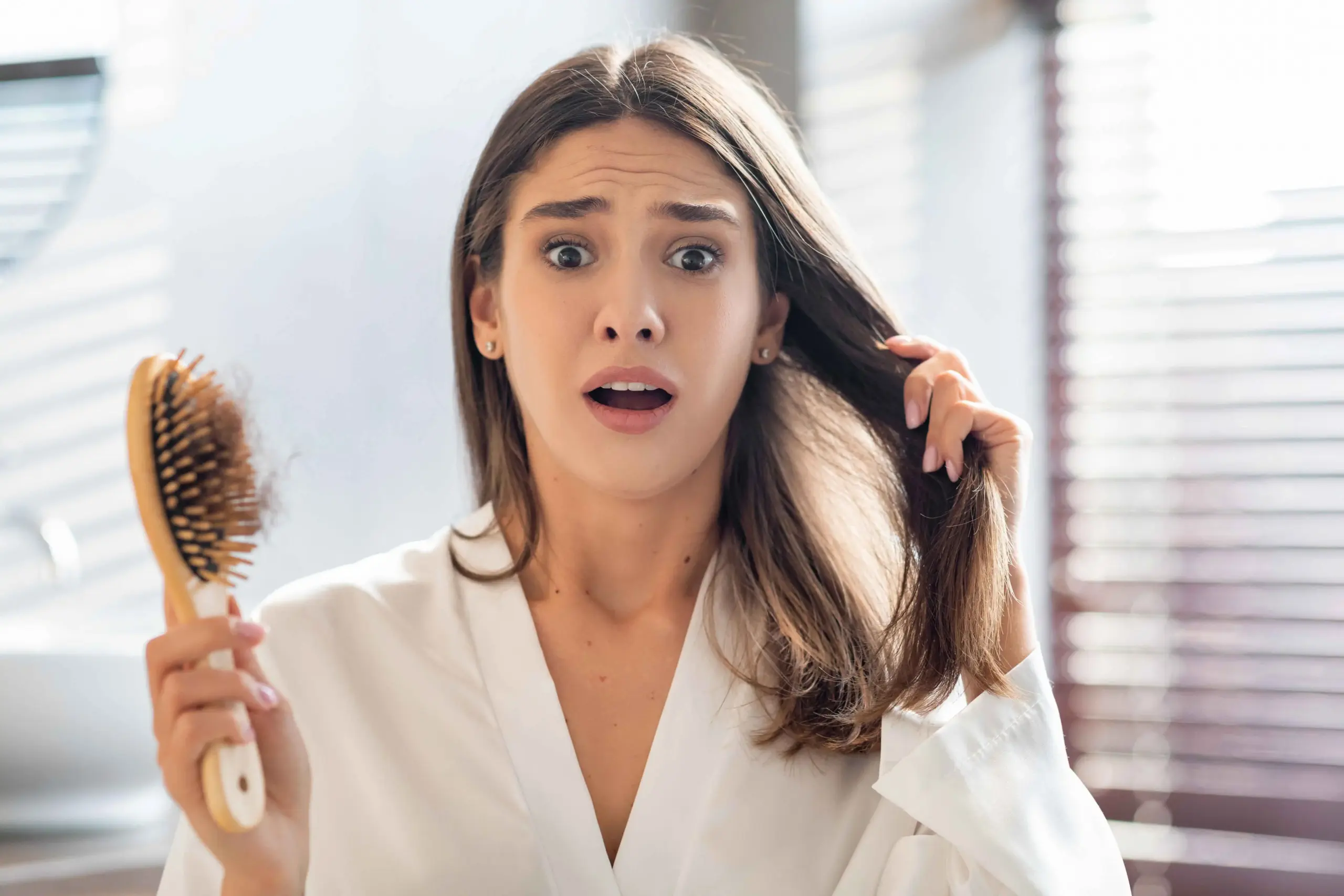
Table of Contents
A wider part, increased shedding in the shower, thinning at the crown, or reduced fullness around the hairline can prompt people to start searching for hair loss treatments quickly. At Nuovo Te, we help patients in Madison look at hair loss with a practical lens: what may be causing it, what stage it is in, and which treatments are most likely to support healthier-looking hair without jumping straight to surgery.
What hair loss treatments actually work in 2026?
The most effective options are those matched to the cause and stage of hair loss, including medical treatments, PRP, regenerative scalp therapies, laser support, supplements when appropriate, and surgical restoration for advanced hair loss. For many people, the strongest plan combines multiple approaches rather than relying on a single product or trend.
What Actually Works For Hair Loss In 2026?
The best hair loss treatments in 2026 are not chosen by popularity alone. They are chosen based on what is happening at the scalp and follicle levels.
If follicles are still active but weakened, non-surgical options may help support thicker, healthier-looking hair. If follicles are no longer producing hair in certain areas, medical or regenerative treatments may have limited effectiveness.
The main options include prescription medications, PRP for hair loss, regenerative scalp therapies, laser therapy, supplements, topical support, and surgical restoration. Hair Loss Treatment in Madison focuses on a gentle, non-invasive approach that uses ultrasound technology to support scalp health, circulation, and the absorption of plant-based exosome serums.
A realistic answer is that most hair regrowth treatments are designed to slow shedding, strengthen existing hair, support scalp health, or encourage better density over time. No treatment can promise the same outcome for every person.

How To Choose The Right Hair Loss Treatment
The right treatment starts with the reason hair loss is happening. Pattern hair loss, postpartum shedding, hormonal changes, nutritional deficiency, stress-related shedding, post-illness changes, scalp inflammation, and medication-related loss can all look similar at first.
This is why consultation is so important. A good plan may include a scalp evaluation, review of medical history, discussion of lifestyle and health changes, and sometimes lab work. Early thinning usually has more non-surgical options because the follicles may still be responsive.
When choosing a treatment for thinning hair, the main questions are simple.
- How long has the thinning been happening?
- Is the hair still miniaturized, or has the area become smooth and bare?
- Is shedding active?
- Is there irritation, dandruff, or scalp sensitivity?
The answers help guide which hair restoration options make sense.
Prescription Hair Loss Medications: Best For Slowing Progression
Prescription and over-the-counter medical options still play a major role in hair loss care. Minoxidil is commonly used to support hair growth and reduce shedding. Finasteride may be recommended for some patients, especially in cases of androgen-related hair loss, under medical guidance.
These medications are often used to preserve existing hair and slow progression. They may also be paired with in-office treatments when the patient is a good fit. Consistency is important because stopping treatment can allow shedding or thinning to return.
Not every medication is appropriate for every person. Sex, age, pregnancy plans, hormone history, side effect risk, and medical conditions all influence the decision. A provider-guided plan helps patients understand how to stop hair loss in a way that is realistic for their situation.
PRP For Hair Loss: Best For Strengthening Weak Or Thinning Hair
PRP for hair loss uses a concentration of platelets from the patient’s own blood to support follicle activity. It is often used for mild to moderate thinning, early-pattern hair loss, or shedding when follicles are still active.
PRP is usually not a one-session fix. It tends to work best as a series, with maintenance based on the patient’s response. Some patients use PRP alongside medications, laser therapy, or other scalp-supportive treatments.
For people comparing the best hair loss treatments 2026, PRP remains a valuable option because it is minimally invasive and focused on follicle support. It is not ideal for every case, especially in areas where follicles are no longer producing hair.
Exosomes And Regenerative Hair Treatments: Promising, But Patient Selection Matters
Regenerative hair treatments are getting more attention because they focus on the scalp environment and follicle signaling. At Nuovo Te, the hair rejuvenation approach uses advanced ultrasound technology to enhance absorption of plant-based exosome serums into the scalp and hair follicles.
This type of non-surgical hair loss treatment may appeal to patients who want a comfortable option that supports scalp health without surgery or downtime. The treatment is designed to encourage circulation, support collagen production, cleanse the scalp, and create a healthier foundation for hair wellness.
The key is expectation setting. Exosome-based scalp treatments may be helpful for thinning, weakened hair, hormonal changes, genetic factors, post-illness effects, and age-related thinning. Results vary, and the best candidates are usually those who still have active follicles.
Laser Therapy, Supplements, And At-Home Support: Helpful For The Right Cases
Laser therapy, supplements, and at-home scalp care can support a broader hair plan, but they should not replace proper evaluation. Low-level laser therapy may help stimulate follicles and support density when used consistently.
Supplements can be useful when hair loss is related to nutritional gaps, stress, postpartum changes, or overall wellness changes. However, supplements alone usually do not correct genetic or hormonal hair loss.
At-home serums and scalp care can help maintain progress after in-office treatments. Nuovo Te may recommend supportive home care to help extend the benefits of treatment and keep the scalp in better condition between visits.
Hair Transplant And Restoration Procedures: Best For Advanced Or Permanent Loss
Hair transplant surgery may be considered when hair loss is more advanced or when follicles in specific areas are no longer producing hair. This is different from non-surgical care, which usually works best when follicles are still active.
Surgical restoration can help restore coverage in areas of permanent loss, but it does not stop ongoing thinning in surrounding hair. Many patients still need medical, regenerative, or scalp-supportive treatments to help protect their existing hair.
For patients researching hair restoration options, this distinction is important. Surgery may create a visible change in the right candidate, while non-surgical care may help slow progression and improve the health of existing hair.
Ready For A More Personal Hair Loss Plan?
Hair loss can feel emotional because it affects how you see yourself every day. At Nuovo Te, we help patients take a clear, supportive look at what may be possible with today’s hair loss treatments, including non-invasive scalp rejuvenation with ultrasound technology and plant-based exosome support. Struggling with hair loss? Schedule your personalized hair restoration consultation in Madison or Janesville, WI, today and learn which treatments may be most effective for your hair goals.