Skip to content

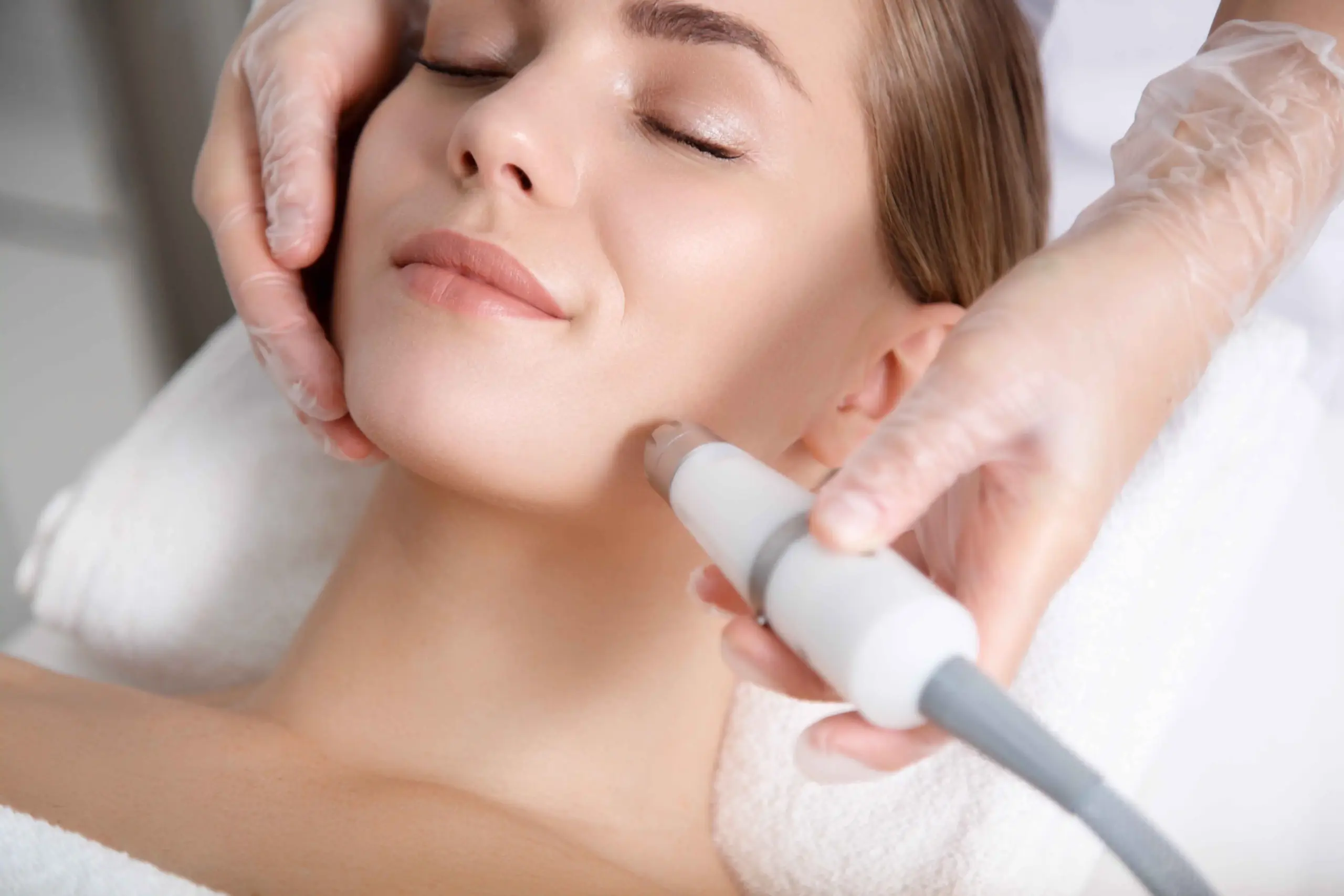
Table of Contents
Fine lines tend to show up quietly, first in photos, then in the mirror on a dry January morning. At Nuovo Te, one of the most common questions from clients researching a medical grade facial for wrinkles in Madison, WI is a fair one: can a facial change what you actually see, or does it just feel good for an afternoon?
Here is the honest answer. Medical grade facials for fine lines and wrinkles can visibly soften early lines and improve skin texture, though they support smoother skin rather than erase deep creases.
What makes a medical grade facial different from a regular spa facial?
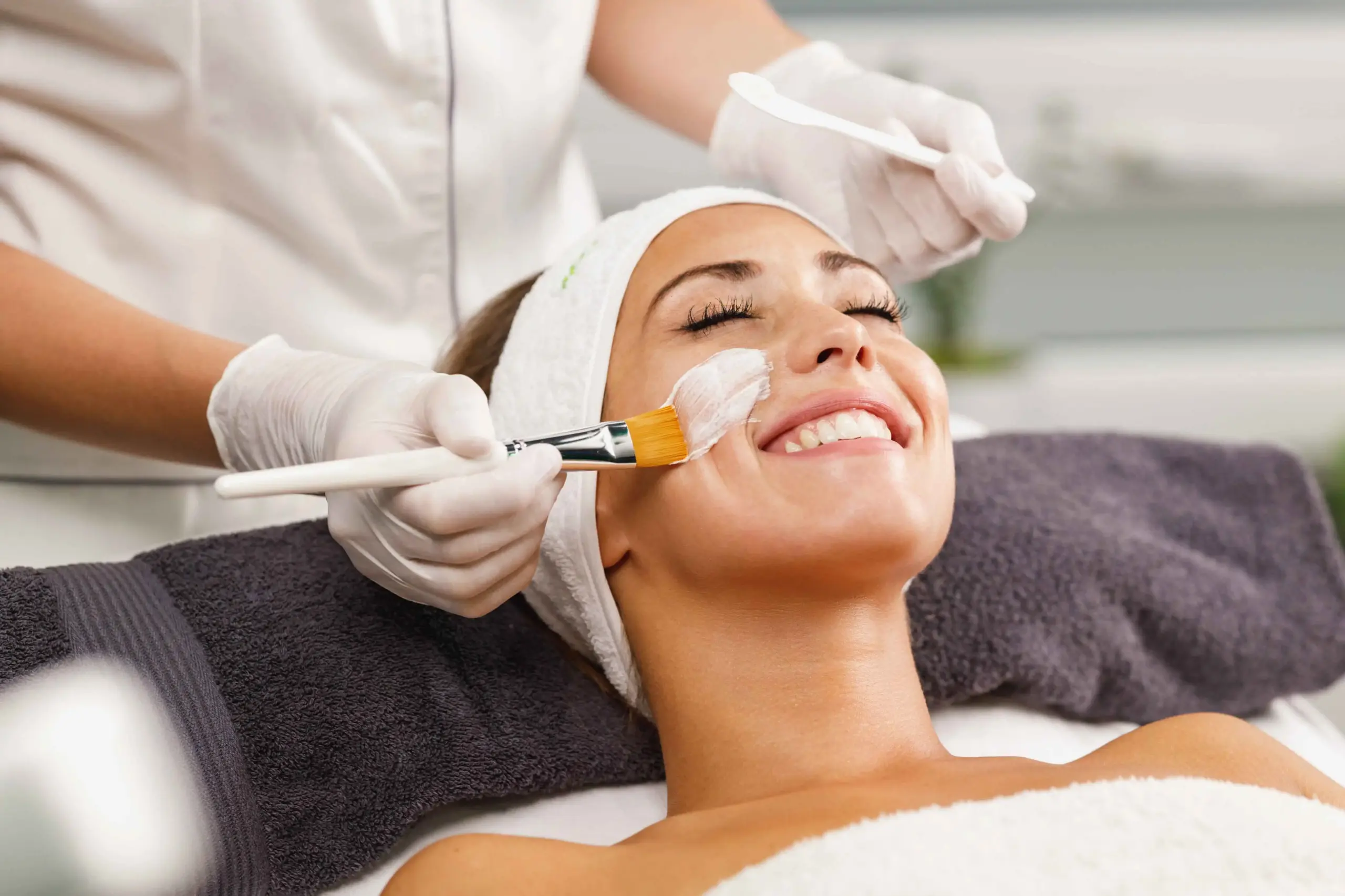
A medical-grade facial uses professional strength ingredients at concentrations that are not available over the counter, and it is performed under clinical oversight. A spa facial is built around relaxation and surface exfoliation rather than treating the skin at a deeper level.
What Medical Grade Facials Actually Do for Fine Lines
A medical grade facial works on fine lines in two ways at once. Exfoliation and deep hydration create the immediate effect, plumping the skin surface so shallow lines look softer within a day or two. The slower effect comes from professional strength serums that support collagen production over a series of sessions, which is why results build rather than arrive all at once. These treatments change the look of fine lines and the quality of the skin surface, not the bigger structural changes beneath.
Why Fine Lines Form in the First Place
Fine lines form from a mix of causes, and a facial for fine lines addresses some of them better than others. Collagen and elastin production begins slowing in the mid-twenties, long before most people notice anything. At the same time, a dehydrated or compromised skin barrier makes existing lines look deeper than they truly are, and that is the piece a facial addresses directly. Sun exposure, repeated expression, and sleep position work at a deeper level.
Wisconsin’s weather makes surface problems worse. Forced-air heat, chilly wind from Lake Mendota, and the summer sun along the Capital City Trail all deplete moisture from the skin barrier faster than a home regimen can restore it.
What Makes a Facial Medical Grade
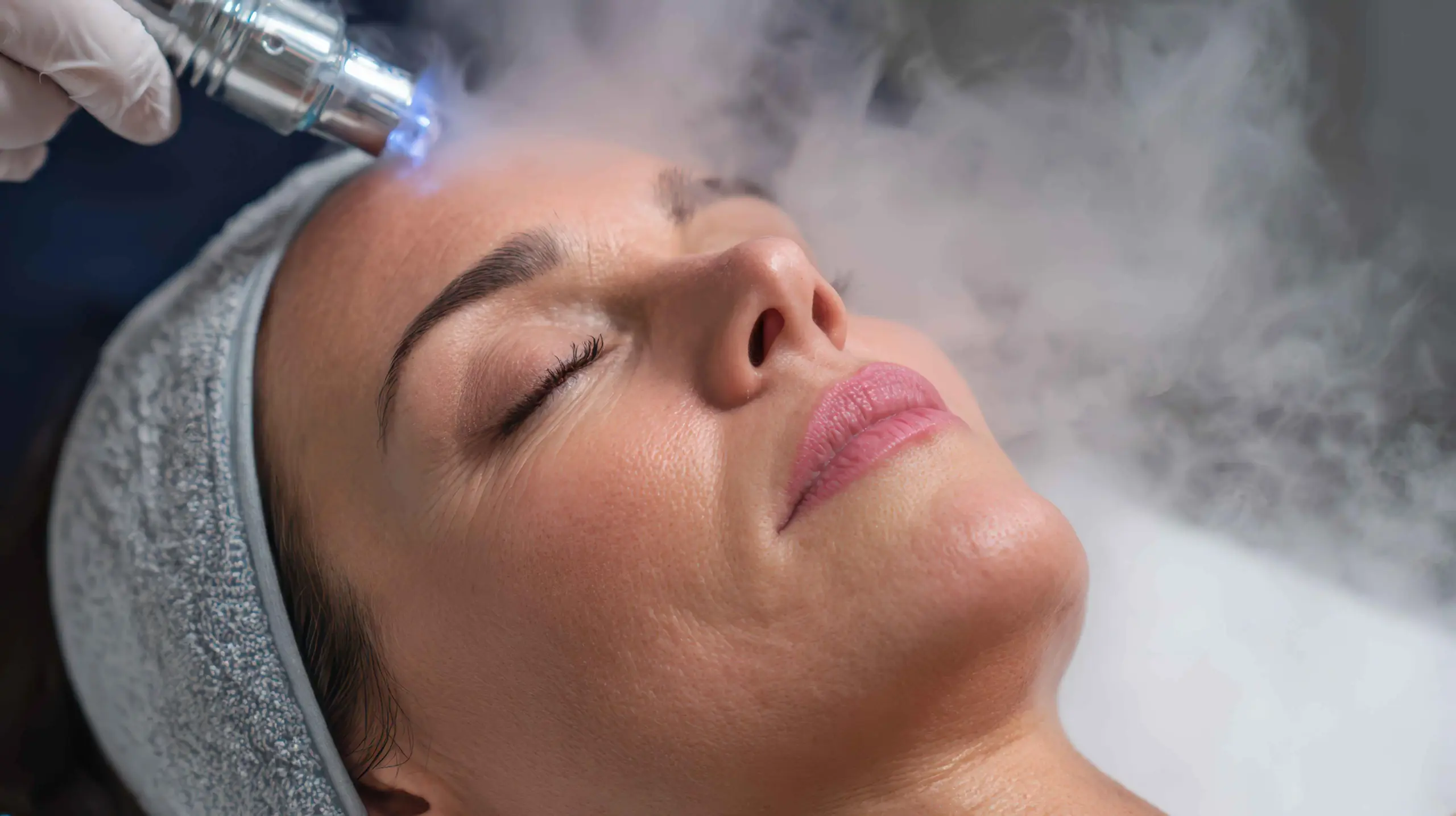
It’s about provider monitoring and ingredient strength. Medical-grade facials use actives at concentrations that retail brands can’t sell and are performed by a professional clinician who examines your specific skin needs first. Delivery is device-aided rather than manual, assisting those actives in getting past the outermost layer. At Nuovo Te, we use AquafirmeXS®, which is a treatment that combines deep cleansing and hydration with serums specific to your condition.
How the AquafirmeXS Serums Target Lines
Each AquafirmeXS serum does a specific job, and two of them are directly relevant to an anti-aging facial:
- Vivify delivers hyaluronic acid and antioxidants for deep hydration, which is what makes fine lines look immediately softer and skin look plumper.
- Defy uses peptides and growth factors to support firmness and elasticity across a course of treatments.
The Fusion Exosome add-on introduces plant-derived exosomes, which research suggests may play a role in signaling collagen production. The evidence base here is still developing, so we frame it as promising rather than proven. For clients focused specifically on lines, our Fountain of Youth Facial layers ultrasound delivery and red light onto the same foundation.
Fine Lines Versus Deeper Wrinkles
Facials perform best on early lines, and understanding why sets realistic expectations. Providers separate dynamic rhytides, the expression lines that appear when you move your face, from static rhytides, the lines visible when your face is at rest. Skin rejuvenation through facials improves early static lines, crepey texture, and dullness. It does not stop muscle movement, and it will not resolve an etched glabellar line between the brows or an established nasolabial fold. Saying that plainly is more useful than a promise we cannot keep.
What Results Look Like and How Long They Last
Most clients notice hydration and a smoother, brighter look within one to two days, and makeup tends to sit better. Facial rejuvenation at the collagen level builds more gradually, which is why providers typically recommend a series rather than a single visit. Results are not permanent. Maintenance sessions keep the effect going, and individual response varies with skin type, age, sun history, and home care consistency.
Who Tends to See the Most Improvement
A medical facial for aging skin suits people with early to moderate fine lines, dryness, dullness, or uneven texture, along with anyone in their late twenties or thirties focused on prevention. Clients with deeply set wrinkles or significant laxity usually need something more direct. Active eczema, a rosacea flare, recent isotretinoin use, or pregnancy all warrant a conversation with a provider before booking. Our Team assesses your skin and selects the serum combination and intensity accordingly.
When a Facial Works Better Alongside Something Else
A facial does its best work as part of a plan. Consistent home care, particularly a retinoid and daily SPF, maintains progress between visits. For deeper lines and laxity, an energy-based option like Tixel® anti-aging treatment is the more direct fine lines and wrinkles treatment, and facials support skin health and recovery around it. These are layered options for one concern, not competing ones.
Common Questions About Medical Grade Facials and Fine Lines
How often should I get one? Most providers suggest a series spaced roughly four weeks apart, followed by maintenance every four to six weeks.
Is there downtime? Typically none. Mild redness may last an hour or two, which makes these a reasonable option a few days before an event.
Will it help around my eyes and mouth? Often yes for fine crepey lines in those areas, less so for deeper folds.
Is it worth it if my skincare is already good? A strong routine and professional treatment address different depths, and they work well together.
Smoother Skin Starts With a Realistic Plan
Medical grade facials help with fine lines by hydrating, resurfacing, and supporting collagen over time. They are a strong choice for early lines and texture, and a supporting player when wrinkles run deeper. The most reliable next step is a professional assessment of what your skin actually needs. Ready to smooth the appearance of fine lines and refresh your skin? Schedule a personalized medical-grade facial at Nuovo Te in Madison, WI, and discover a treatment tailored to your skin goals.